

Slatan Dudow
Director


A story about a family after the Second World War. The petty bourgeois cashier Karl Weber of Berlin observes from a distance how his son Ernst participates in the building of a new socialist society. Karl does not understand Ernst's visions, instead he confides in his other son Harry. However, Harry becomes involved in illicit business and Karl quickly realizes that it would be best to join his son Ernst in the citizen-owned factory. With this film, director Slatan Dudow (1903-1963) continued the traditions of proletarian German film from the Weimar Republic. As with his first feature film Kuhle Wampe, from a screenplay by Bertolt Brecht, Dudow wanted an art that "cultivates the viewer's psyche." His postwar films were intended to make the viewers realize the importance of supporting the "new order" in East Germany. Our Daily Bread became known as a premiere film of its day under the rubric of "socialist realism." Slatan Dudow's work was convincing mainly through his detailed descriptions of socialist everyday life. Music by Hanns Eisler was the centerpiece of contemporary review. After coming back from his exile in America, the composer created a score that challenged, thrilled, and focused. Berlin's world of ruins is captured in almost documentary fashion.
Download subtitle files for this content
No subtitle files available for this title.
Slatan Dudow
Director
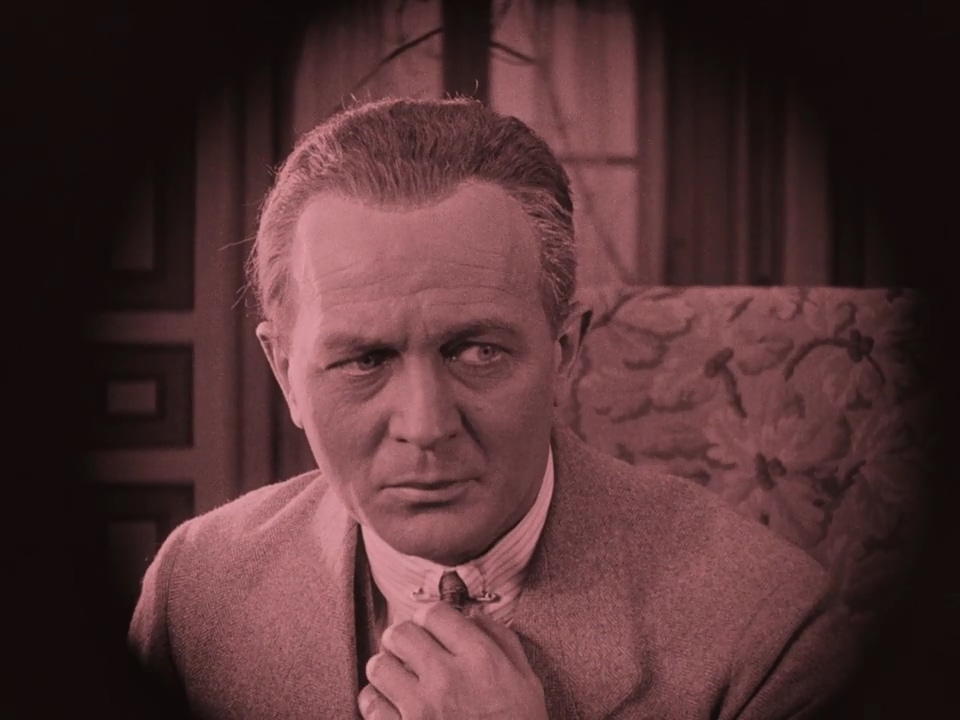
Paul Bildt
Karl Webers
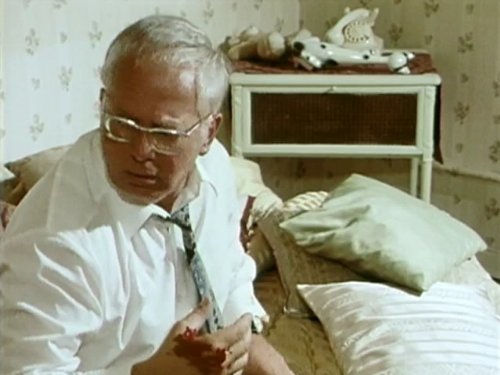
Paul Edwin Roth
Harry Webers
Inge Landgut
Inge Webers
Alfred Balthoff
Bergstetter
Friedrich Gnaß
Albrecht
Eduard Wandrey
Fürbringer
Karl Hannemann
Gast
Friedrich Honna
Schlagcreme-Budenbesitzer
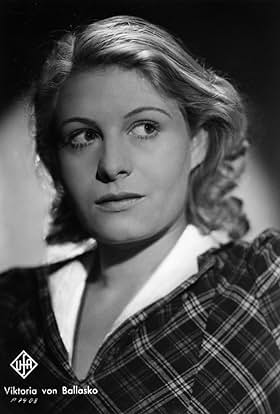
Viktoria von Ballasko
Martha Webers
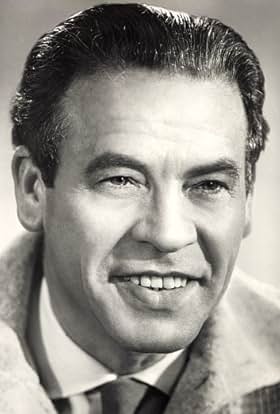
Harry Hindemith
Ernst Webers
Angelika Hurwicz
Nikki
Dolores Holve
Mary
Irene Korb
Irene
Helmuth Helsig
Ingenieur
Ina Halley
Käthe Webers
Siegmar Schneider
Peter Struwe
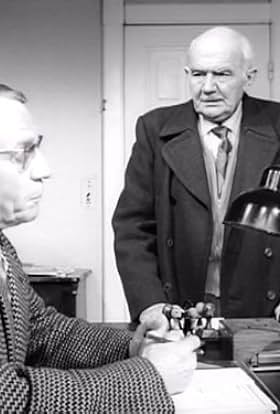
Erich Dunskus
Wirt
Hans Emons
Geschäftsmann
Hans Joachim Beyer
Writer


